Zanzibar history at a glance
Zanzibar is an archipelago of two large islands, Unguja and Pemba. Its history is that of a trading coast on the Indian Ocean, shaped by African, Arab, Indian and European influences. Rule by a sultan ended in 1963, and the islands joined Tanganyika in 1964 to form the United Republic of Tanzania, with Zanzibar keeping its own government.
Three dates from 1963 and 1964 are often mixed up, so this guide keeps them apart: independence, the revolution and the union are different events. To see the history on the ground, start in Stone Town and join a local guide on Zanzibar tours that include the old town, spice farms and the west coast.
Zanzibar timeline: sultans, protectorate and union
The main turning points in order.
| When | What happened |
|---|---|
| Late 17th century | Oman replaces the Portuguese on the coast |
| 1890 | Britain establishes a protectorate over Unguja and Pemba |
| Until 1963 | A sultan rules the islands |
| 10 December 1963 | Independence |
| 12 January 1964 | Revolution |
| 26 April 1964 | Union of Tanganyika and Zanzibar |
This is an outline for visitors. A local guide or a museum in Stone Town can fill in the details between these dates.
Our pick: a Stone Town walk
A guided walk through the old town and the Old Fort puts the sultanate and trade years in context.
Hand-picked tours, booked through GetYourGuide. Prices are indicative starting prices in US dollars (as of October 2026). Tap a tour for live availability and the current price in your currency.
Zanzibar tours with a history focus
Stone Town walks, spice farms, west coast trips and island tours, with live prices and availability.
The sultans and the Indian Ocean trade
Why Zanzibar became a trading city.
From the Portuguese to Oman
At the end of the 17th century Oman took over from the Portuguese on this coast. Rule by an Omani sultan on the islands lasted until 1963, with the British protectorate over Unguja and Pemba from 1890.
Stone Town as a trading city
Stone Town grew into a Swahili trading town with African, Arab, Indian and European influences. That mixture is part of why it is a World Heritage site. Its meaning also includes the history of the slave trade, which the next section covers.
The House of Wonders
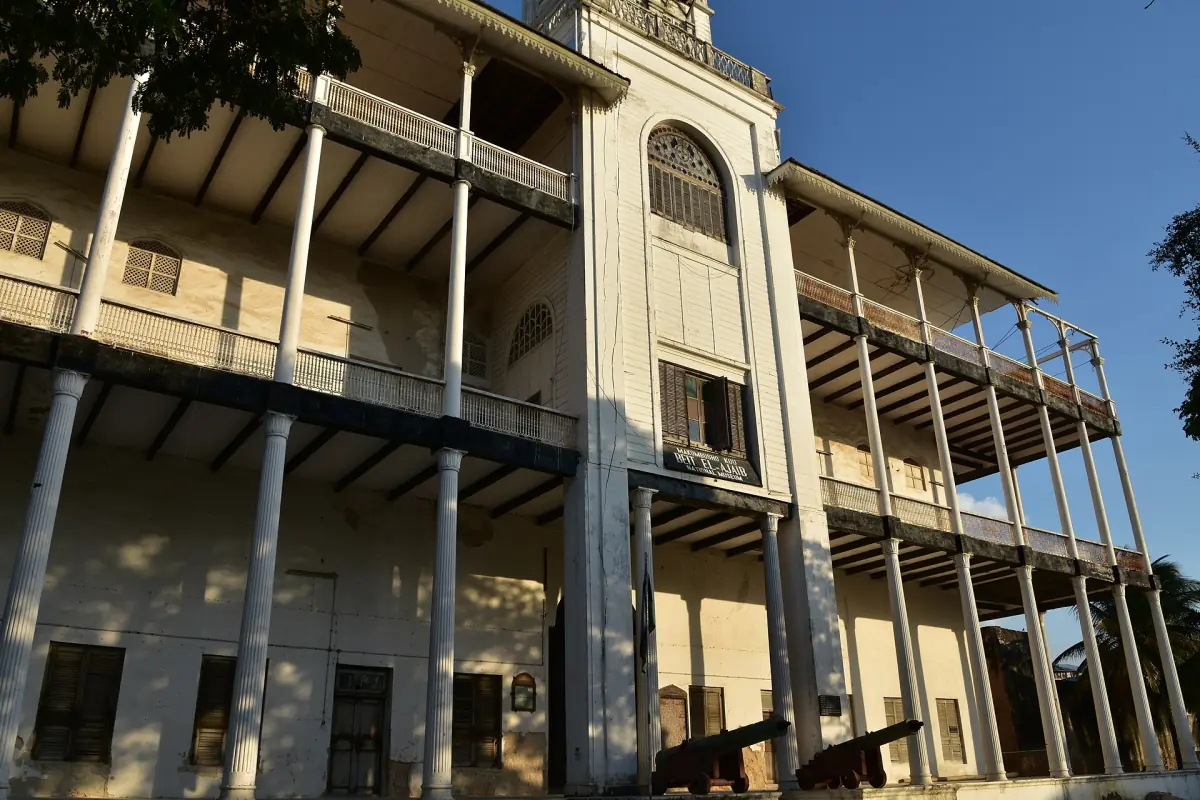
The building with the columned facade was a ceremonial palace of the sultan. The Stone Town guide to the House of Wonders tells you more about the building, and the Stone Town history page goes deeper into the old town.
Spices and the island economy
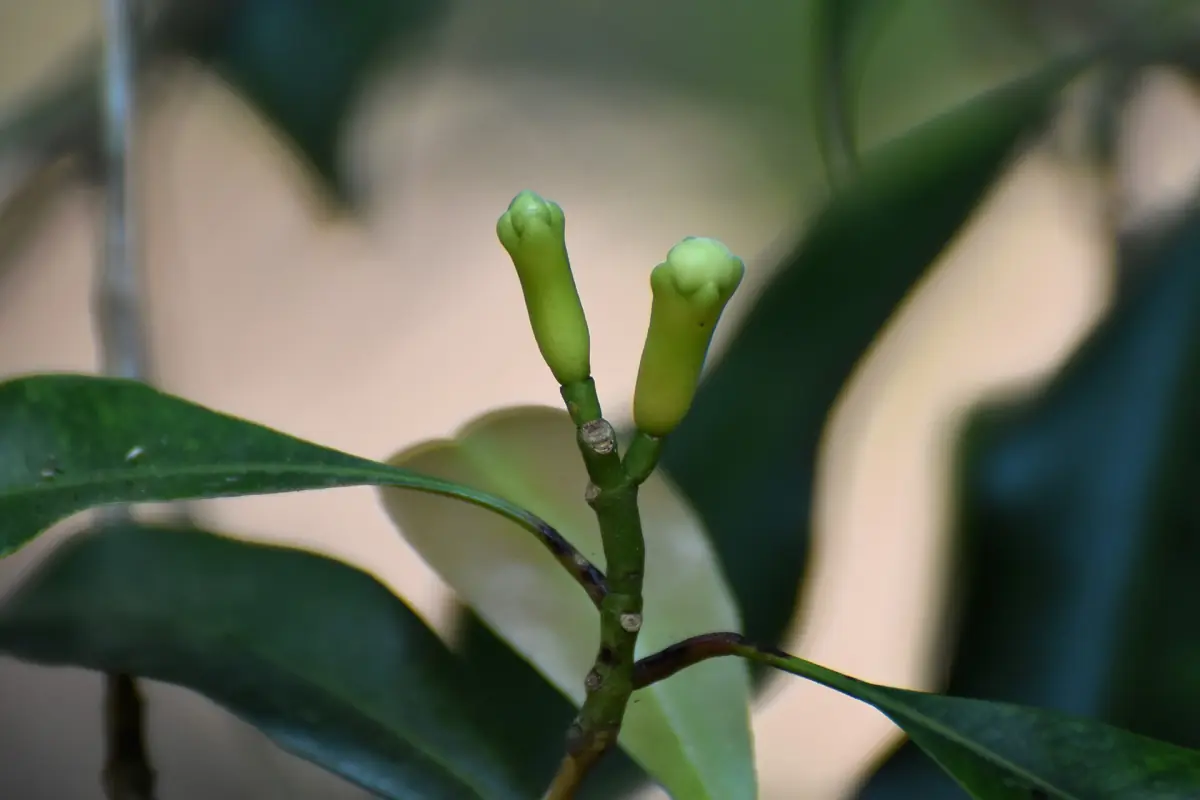
Cloves and other spices.
Spice farms today
The spice trade is part of the island's story, and a visit to a spice farm is a common half-day trip. You can see cloves and other spices growing and learn how they are used. The Stone Town guide explains spice tours.
Seaweed as a newer trade
Commercial seaweed farming began on the east coast in 1989, and women have carried much of the work. It belongs to a recent chapter of the island's economy. Read more on the Jambiani page.
The slave trade and how it is remembered
The history of Zanzibar includes the slave trade, and the importance of Stone Town includes it. Remembering it means speaking about it plainly and with respect for the people who suffered.
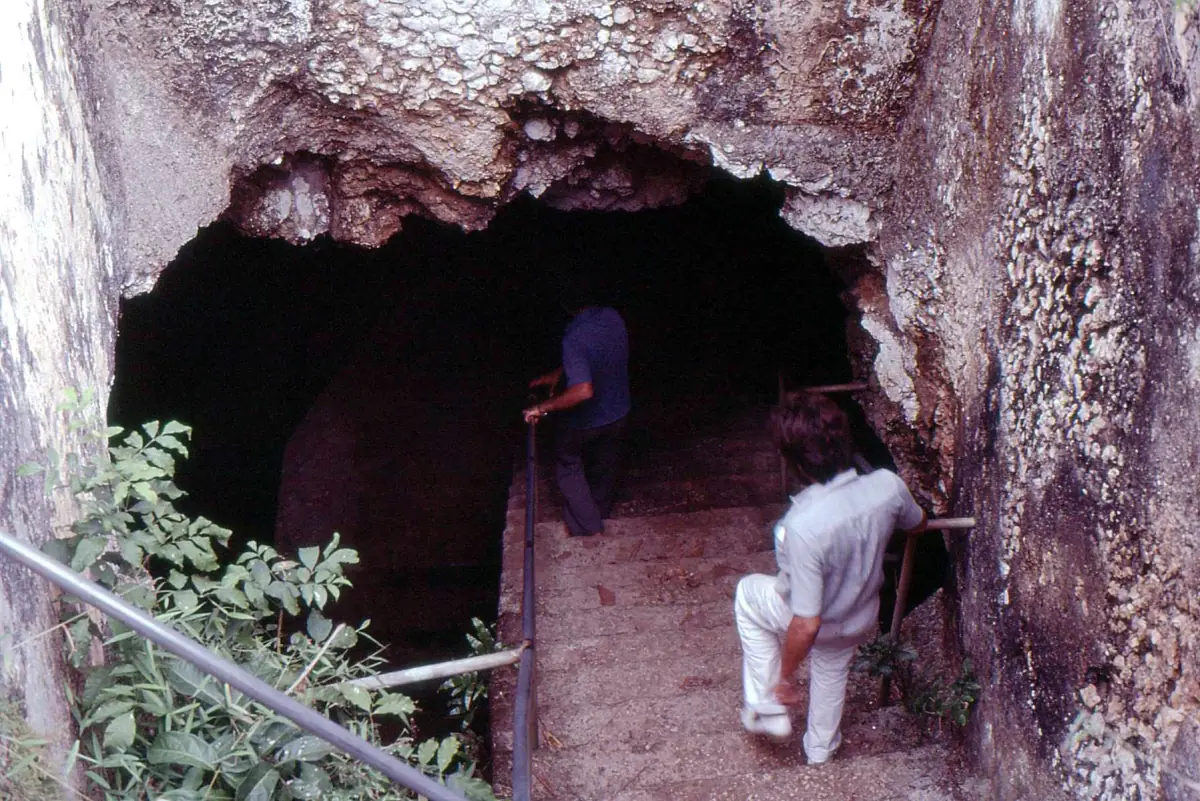
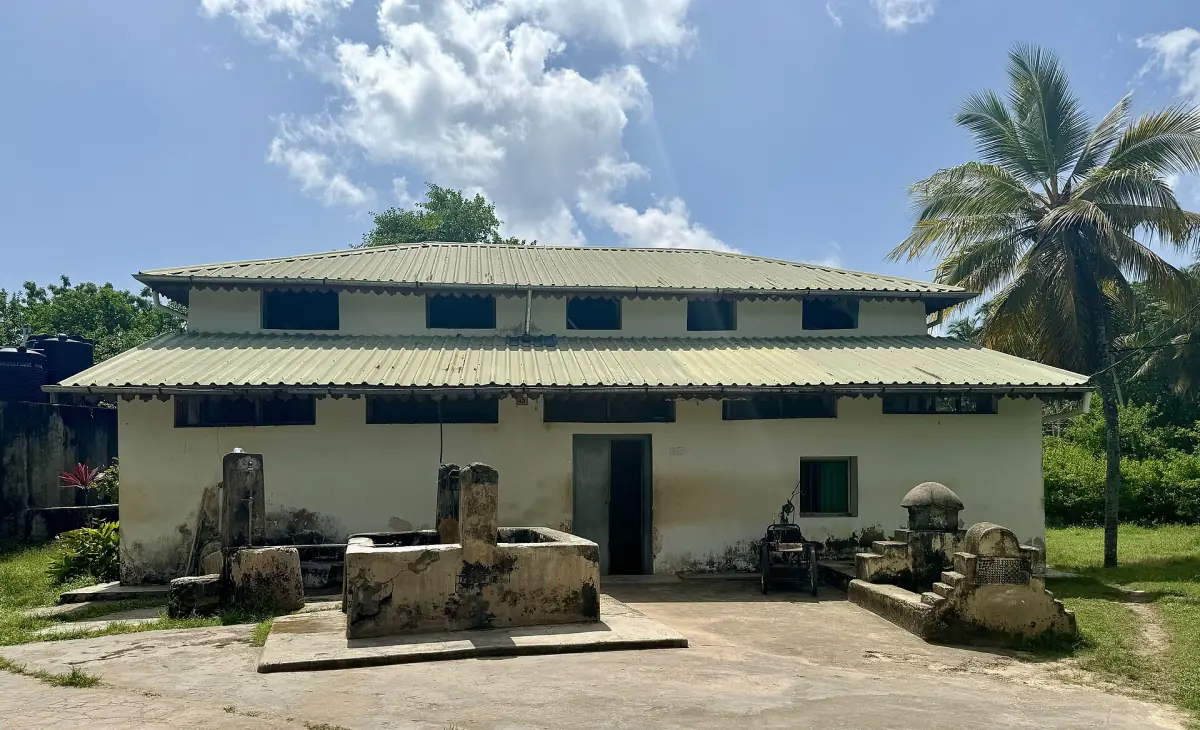
On the west coast at Mangapwani you can see a coral cave where, in the 19th century, captives were held. Visit with a local guide who can explain the site. The former slave market in Stone Town is covered in the Stone Town slave market guide. For the wider history, including how the trade ended, visit the museums and sites in Stone Town.
Independence, revolution and union
Three events, three dates.
Independence, 10 December 1963
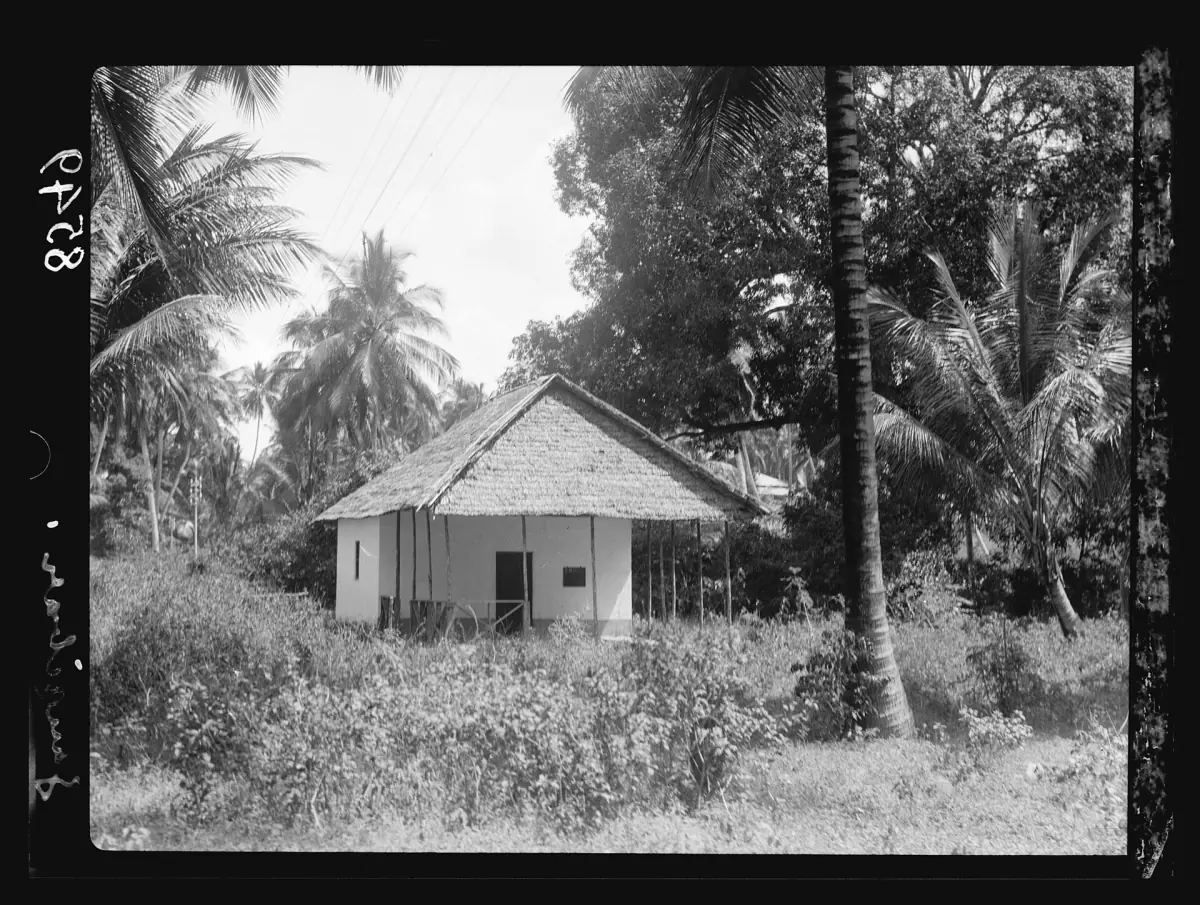
Zanzibar becomes independent from Britain, after about seven decades of the protectorate that began in 1890.
Revolution, 12 January 1964
About a month later came the revolution. It is a sensitive chapter for many people on the islands, so ask questions with respect and listen.
Union, 26 April 1964
Tanganyika and Zanzibar formed a union that became the United Republic of Tanzania. Zanzibar has kept its own government within the union.
Swahili culture and language today
What you notice as a visitor.
Language
Kiswahili is the national and official language. English is widely used in trade and tourism, but do not expect it everywhere. A few words of Swahili are welcome, such as greetings.
People
The 2022 census counted 1,889,773 people in Zanzibar: 1,346,332 on Unguja and 543,441 on Pemba. The two islands cover about 2,654 square kilometres together.
Where to see it
Combine Stone Town, a spice farm and the mosque at Kizimkazi on the south coast. For Pemba and its forests, see the Pemba guide.
Plan the rest of your trip
Where the history shows on your route.
Zanzibar history: frequently asked questions
When did Zanzibar become independent?
Independence was on 10 December 1963. The revolution followed on 12 January 1964 and the union with Tanganyika on 26 April 1964. These are three separate events.
Who ruled Zanzibar before independence?
Oman took over from the Portuguese at the end of the 17th century, and a sultan ruled the islands until 1963. Britain held a protectorate over Unguja and Pemba from 1890.
Why is Stone Town a World Heritage site?
It is a historic Swahili trading town with African, Arab, Indian and European influences. Its meaning also includes the history of the slave trade.
When did Zanzibar join Tanzania?
On 26 April 1964, when Tanganyika and Zanzibar formed a union. Zanzibar has its own government within the United Republic of Tanzania.
What language do people speak?
Kiswahili is the national and official language, and English is widely used in trade and tourism.
Where can I learn about the slave trade on Zanzibar?
At Mangapwani on the west coast there is a coral cave where captives were held in the 19th century. Visit with a local guide who can explain the site, and see the museums and sites in Stone Town.