Paje at a glance
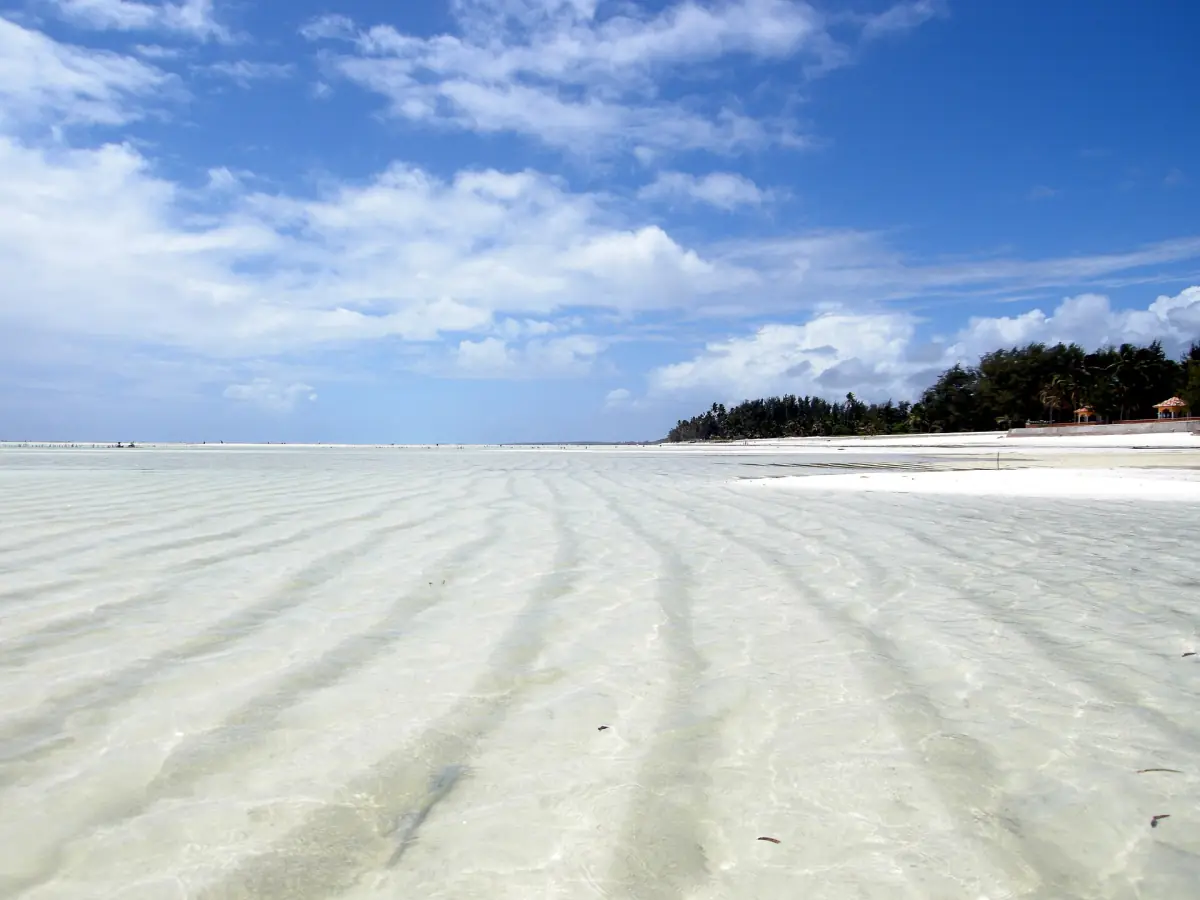
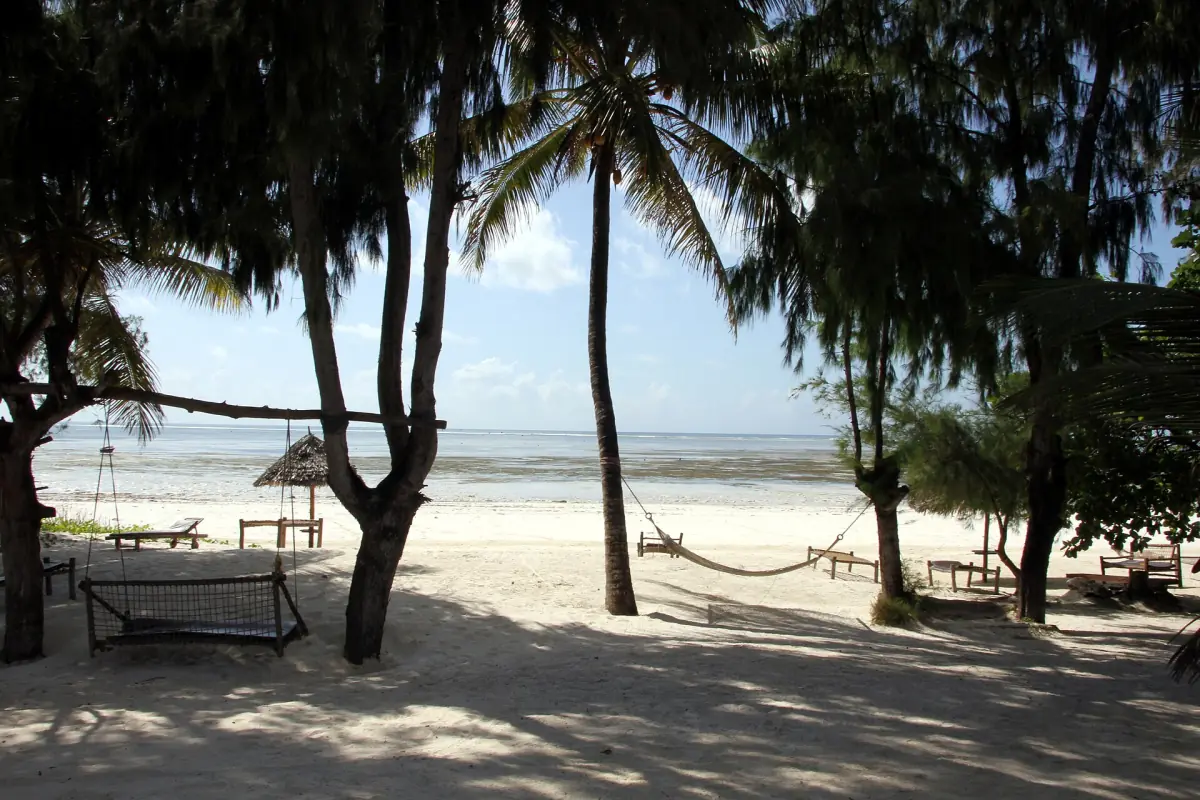
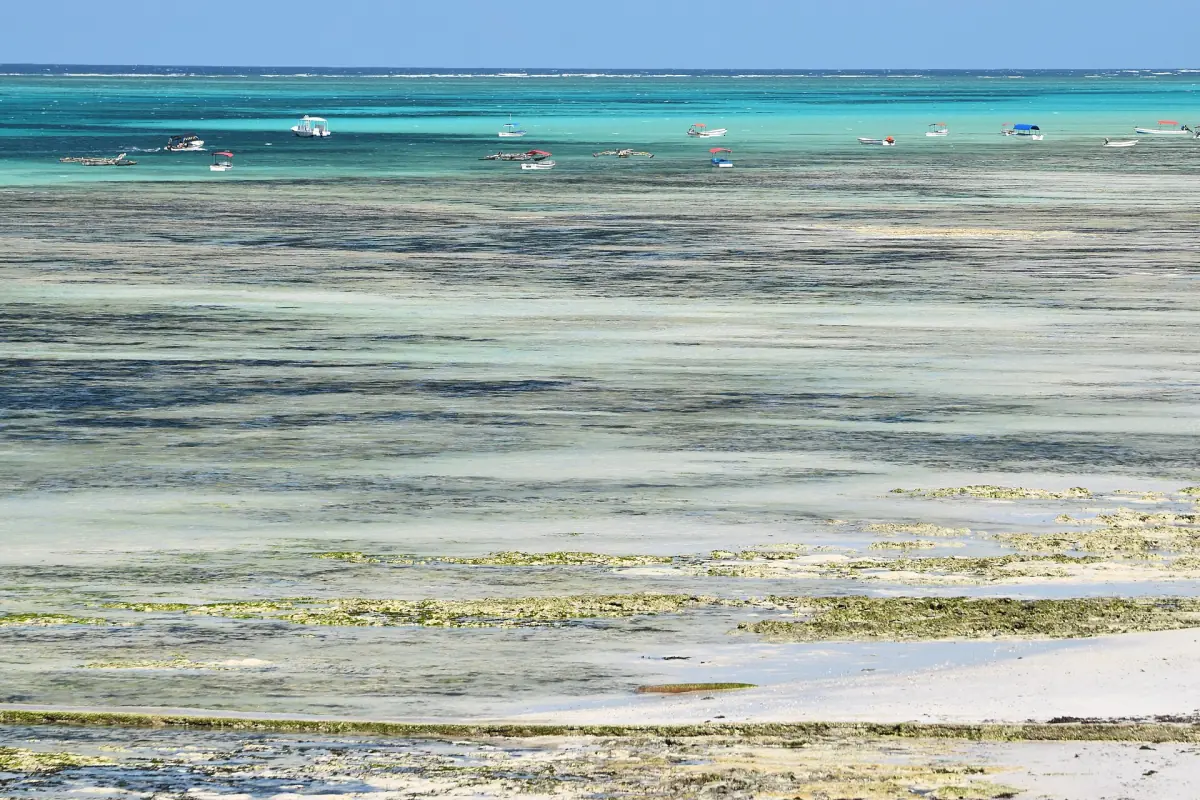
Paje sits on the south east coast of Unguja, the main island of Zanzibar. A reef barrier offshore protects a wide, shallow lagoon, and that lagoon is the reason kitesurfers come. It also means the sea here moves a long way with the tide. At high water the lagoon is a playground, at low water large parts of the reef and sand flats lie open.
Most visitors combine a few days on the beach with a boat day. For a boat day, see our overview of Zanzibar snorkeling and boat tours before you plan your week.
Zanzibar kitesurfing: the two wind seasons
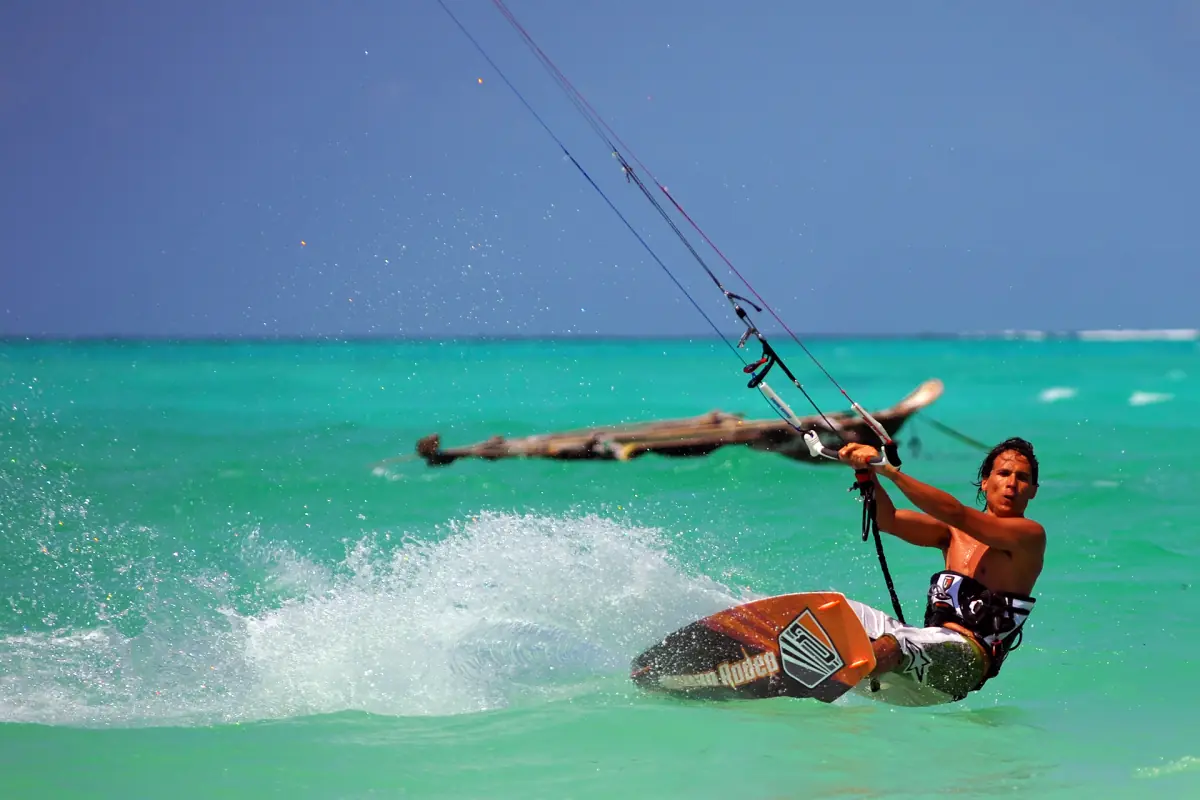
Kitesurfing in Zanzibar follows the monsoon winds. There are two typical windows. The Kusi blows from the south east, roughly from mid-June to mid-October. The Kaskazi blows from the north east, roughly from late December to mid-March. The Kusi typically ends in September or October, so treat the edges of each season as soft. These are typical windows, not a promise of wind on any given day.
| Season | Wind | Typical window | Good to know |
|---|---|---|---|
| Kusi | South east | Mid-June to September or October | Falls in the drier part of the year |
| Kaskazi | North east | Late December to mid-March | December belongs to the short rains (Vuli) |
| In between | Lighter or variable | Rest of the year | Wind varies by day |
The lagoon is sheltered by the reef, but at low tide parts of it are too shallow to ride. Your riding time depends on the water level as much as on the wind. Look up the tide table for the week, then plan sessions around the hours of higher water. Do not expect the lagoon to be knee-deep all day, and do not expect it to be free of current. For most people who want a first kite week, the Kusi months of June to September combine the drier season with the typical wind window, while the Kaskazi suits travellers who come around the turn of the year.
Michamvi and the rest of the south east coast
Paje, Jambiani and Bwejuu share the same coast with broad reef and lagoon flats that dry out at low tide. The Michamvi peninsula is its own stretch of coast. Its shores face different directions, so one beach there does not tell you how another behaves. Check tide and wind for the exact spot. An airport taxi to Michamvi costs $70 per car, one way (2026).
Our pick: kitesurfing lessons
Lessons on the southeast coast include the kite gear and a safety briefing, which suits first-timers.
Hand-picked tours, booked through GetYourGuide. Prices are indicative starting prices in US dollars (as of October 2026). Tap a tour for live availability and the current price in your currency.
Boat trips and snorkeling from the south east coast
Dhow trips, reef snorkeling, spice farms and island days you can book from the Paje area, with live prices and availability.
Seaweed in Paje
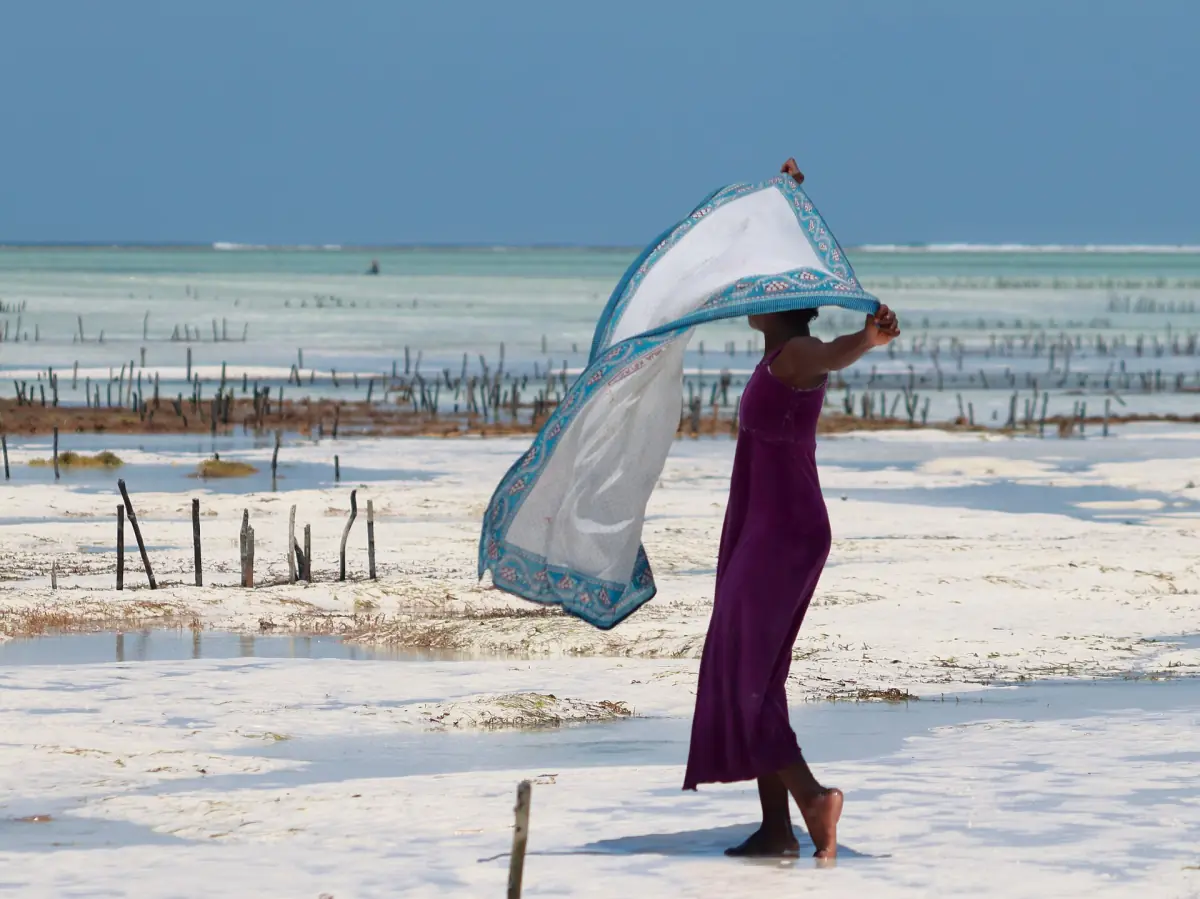
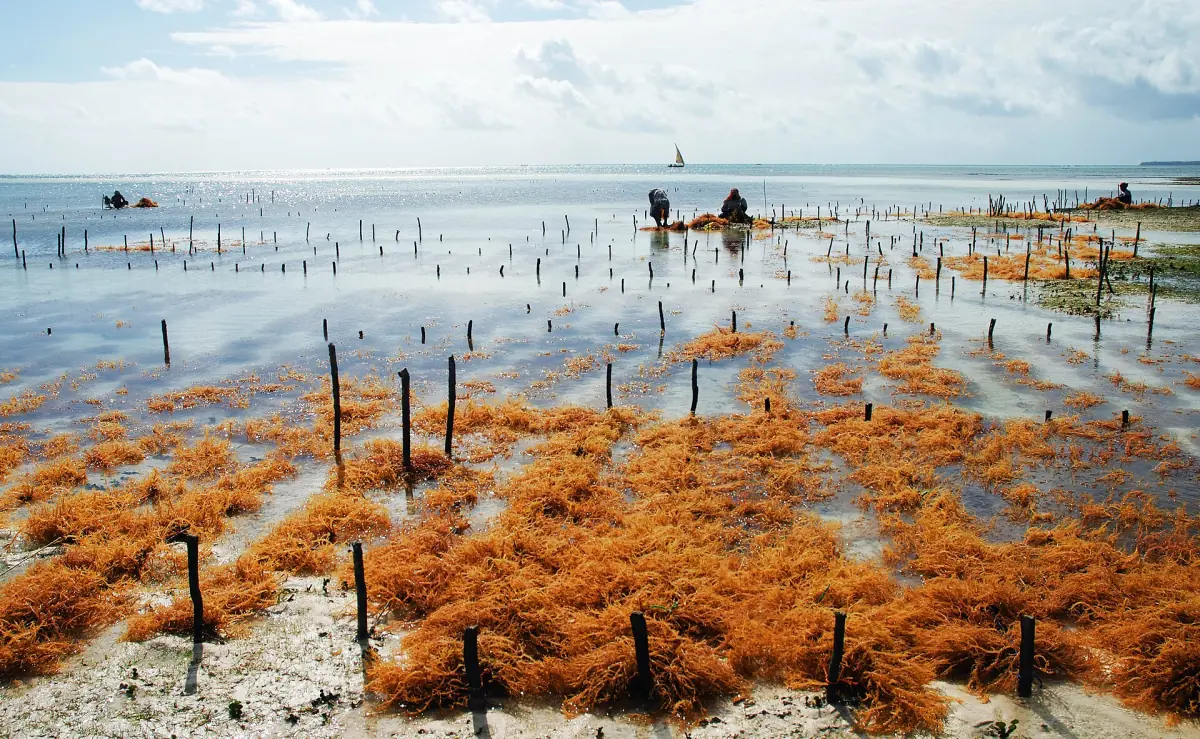
The tidal flats are also a workplace. Commercial seaweed farming started on Zanzibar's east coast in 1989, and women have carried much of the work ever since. At low tide you will see people tending lines in the shallows. These are working areas, not an attraction, so ask before you take photos and do not walk through the lines.
If you want to learn how it works, a seaweed studio in Paje offers a tour of about 90 minutes from $15 (2026). A farm visit can be part of it but is not guaranteed. Booking ahead is recommended. Our Jambiani guide covers the village next door and how the farms shape the beach.
Before you go
Small things that make a beach week easier.
Check the tide every day
Swimming, kiting and walking along the flats all depend on the water level. Put the tide times in your plan, not only the weather.
Sea urchins
Sea urchins live in the shallows around the archipelago. Wear reef shoes for walking over the flats and look where you put your feet.
No beach walks after dark
The German Foreign Office advises against walking on the beaches of Zanzibar at night. Stay on lit paths and take a taxi after dark.
Insurance and malaria
State travel insurance for Zanzibar costs $44 for adults and $22 for children, and a private policy does not replace it (2026). Malaria risk is present all year on Zanzibar and Pemba, so ask your doctor about protection and use mosquito repellent.
Kiting rules of thumb
Stay away from swimmers and from boats working the lagoon. Ask locals about the current state of the wind and water before you launch.
Plan the rest of your trip
Neighbouring coasts and practical pages.
Paje: frequently asked questions
When is the best time for kitesurfing in Paje?
The two typical windows are roughly mid-June to September or October (Kusi, south east wind) and late December to mid-March (Kaskazi, north east wind). Wind and water level change from day to day, so check both before you book lessons or a session.
Is the lagoon deep enough at low tide?
Not everywhere. The reef-sheltered lagoon is shallow, and at low water parts of it are too shallow to ride or swim. Plan around the tide table.
Can you swim at Paje all day?
Swimming depends on the tide. At low water the reef and sand flats open up, so many people swim at higher water and walk the flats at low water.
How much is a taxi from the airport to Paje?
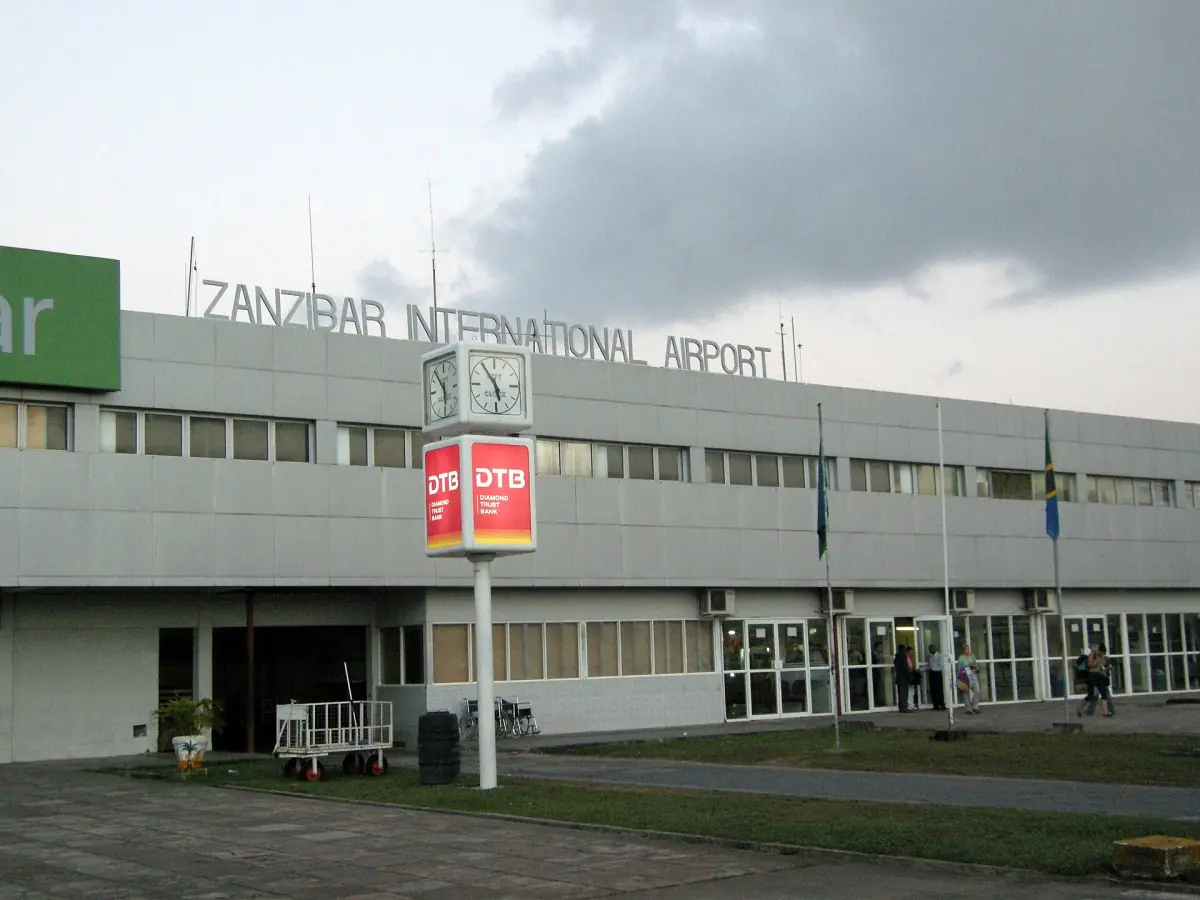
An airport taxi costs $50 per car for one way, for up to 7 passengers (2026). The price is per car, not per person. Confirm it when you book.
Can I walk through the seaweed farms?
No. They are working areas, not an attraction. Ask before you take photos and do not walk through the lines.