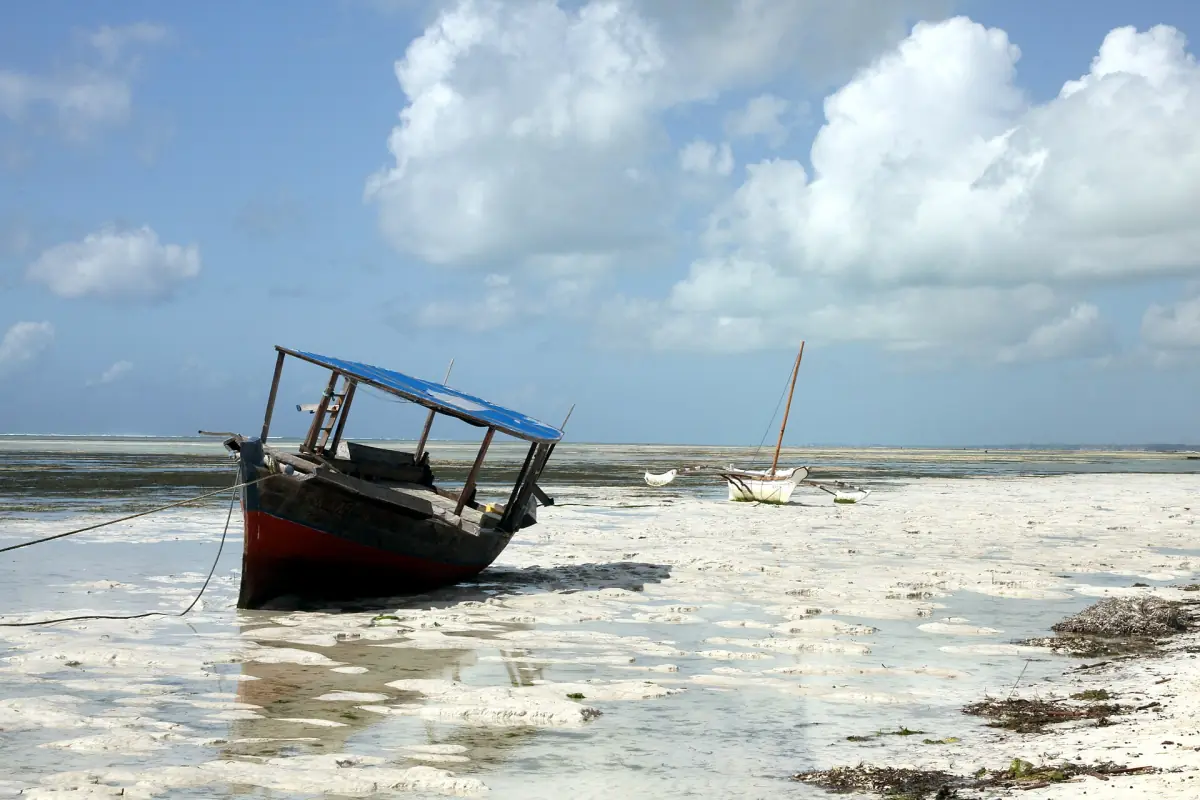
Zanzibar weather at a glance
Zanzibar lies about 6 degrees south of the equator, so the climate is tropical and warm in every month. The year has two rainy seasons: the long rains, called Masika, from March to May, and the short rains, called Vuli, from October to December. January and February are relatively dry, and June to September is the drier part of the year.
Relatively dry does not mean rain-free. Showers can fall in any month, and a dry season is a trend and not a guarantee. If you plan boat trips, check the forecast close to your date and keep a day free to move. You can compare Zanzibar boat trips and day tours once you know your dates.
Zanzibar climate data by month
Mean air temperature at the Zanzibar/Kisauni weather station on Unguja, 15 m above sea level. Averages for 1991–2020.
| Month | Mean air temperature | Typical season |
|---|---|---|
| January | 28.5 °C | Relatively dry |
| February | 28.5 °C | Relatively dry |
| March | 28.4 °C | Masika, long rains |
| April | 27.4 °C | Masika, long rains |
| May | 26.6 °C | Masika, long rains |
| June | 25.9 °C | Drier part of the year |
| July | 25.3 °C | Drier part of the year |
| August | 25.2 °C | Drier part of the year |
| September | 25.7 °C | Drier part of the year |
| October | 26.5 °C | Vuli, short rains |
| November | 27.1 °C | Vuli, short rains |
| December | 28.0 °C | Vuli, short rains |
These are mean temperatures over a whole day and night. Afternoons are warmer than the figure and nights are cooler. The table shows air temperature, not sea temperature, and it is an average for past years, not a forecast for 2026. For most beach holidays, the drier months from June to September and January and February are the usual starting point. For the season comparison in detail, see the guide to the best time to visit Zanzibar.
Our pick: a reef day on calm water
Between the rainy seasons the sea is usually calmer, which suits a shared-boat snorkeling day.
Hand-picked tours, booked through Viator. Prices are indicative starting prices in US dollars (as of October 2026). Tap a tour for live availability and the current price in your currency.
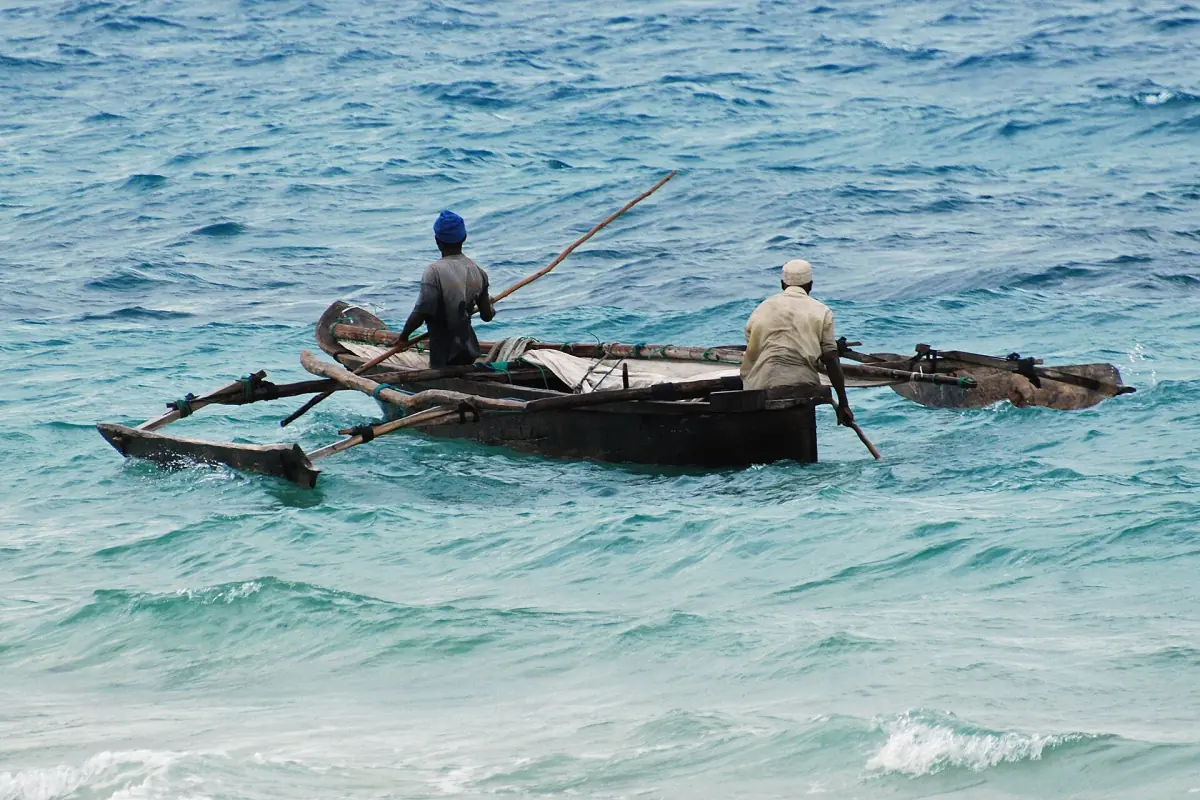
Zanzibar tours in any season
Boat trips, forest walks and day tours across the island, with live prices and availability.
Zanzibar rainy seasons: Masika and Vuli
What each season means for a trip.
Masika, March to May
The long rains. Expect more cloud and more frequent, heavier rain than in the drier months. Plan indoor or flexible days, and keep room in your schedule for boat trips to move.
Vuli, October to December
The short rains. Vuli covers October to December, so do not assume that October is dry. December also falls in this period.
January and February
Relatively dry, and among the warmest months in the table. Showers still happen, so keep a light rain layer in your bag.
June to September
The drier part of the year. The mean temperature is lowest from July to August, so evenings can feel cooler, especially near the water.
Wind, sea and tides
Weather on the coast is also about wind. There are two typical windows on the south-east coast. The Kusi wind from the south-east blows roughly from mid-June to mid-October, and the Kaskazi wind from the north-east from late December to mid-March. These are typical seasons, not daily guarantees, and the Kusi season ends in September or October. Read more on Paje and kitesurfing.
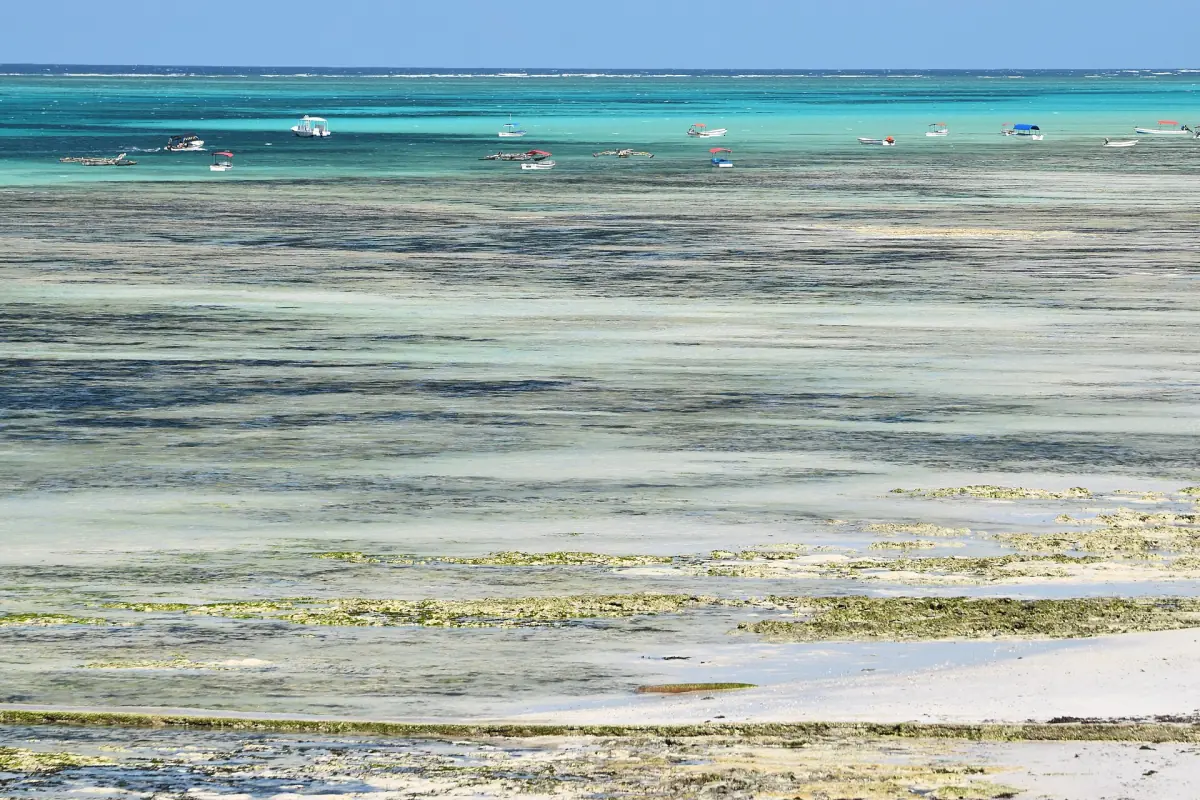
Tides shape the beaches too. Wide reef and lagoon flats dry out at low tide on the south-east coast, so swimming and kite times follow the daily tide table. See the beaches by coast for the differences between the north, the east and the south.

Using the numbers well
Four points before you plan around the weather.
Averages are not forecasts
The table describes 1991–2020. Individual days and weeks can look quite different, so check the forecast close to your trip.
Pemba is a separate case
The station is on Unguja. Do not read the figures as Pemba's climate; use the Pemba Island page for that island.
Storms and crossings
In storms and thunderstorms, travel advice recommends against boat crossings. Do not board an overloaded ship.
Zanzibar safety →Sun protection all year
You are close to the equator, so use sun protection in every month, including the cloudier ones.
Plan the rest of your trip
Seasons, hotels and the coast.
Zanzibar weather: frequently asked questions
When are the rainy seasons in Zanzibar?
The long rains, Masika, run from March to May, and the short rains, Vuli, from October to December. January and February are relatively dry, and June to September is the drier part of the year.
How hot is Zanzibar?
Mean air temperature ranges from 25.2 °C in August to 28.5 °C in January and February. Afternoons are warmer than the daily mean.
Is October dry in Zanzibar?
Not reliably. October belongs to the short rainy season, Vuli, which runs from October to December.
What is the sea temperature in Zanzibar?
The table on this page shows air temperature only, so it does not give sea temperature. Ask your accommodation or dive centre about the water on your dates.
Do these figures apply to Pemba?
No. The weather station is on Unguja. Use the Pemba Island page for that island.