Jozani Forest at a glance
Jozani-Chwaka Bay National Park lies on Unguja, the main island of Zanzibar. It is Zanzibar's only national park. Forest and mangrove ecosystems are what the park protects, and the best-known resident is the Zanzibar red colobus, a monkey that lives nowhere else in the world. At about 50 km², the park is small next to Unguja's 1,666 km², so it can sit alongside other stops in one day.
You can book a guided Jozani Forest tour, which is the simplest way to get a guide and transport in one package, or arrange the trip yourself. Either way, confirm the current entry fee and visitor hours before you go.
Our picks: Jozani Forest tours
All three include the entrance fees. Take the small-group walk if you mainly want the red colobus monkeys, the private trip for your own pace, and the longer day if you want caves too.
Hand-picked tours, booked through GetYourGuide and Viator. Prices are indicative starting prices in US dollars (as of October 2026). Tap a tour for live availability and the current price in your currency.
Jozani Forest, Kuza Cave and Salaam Cave day trip
- Entrance fees
- Air-conditioned vehicle
- Snacks and water
A longer day that adds the Kuza and Salaam caves to the forest visit.
Check availability →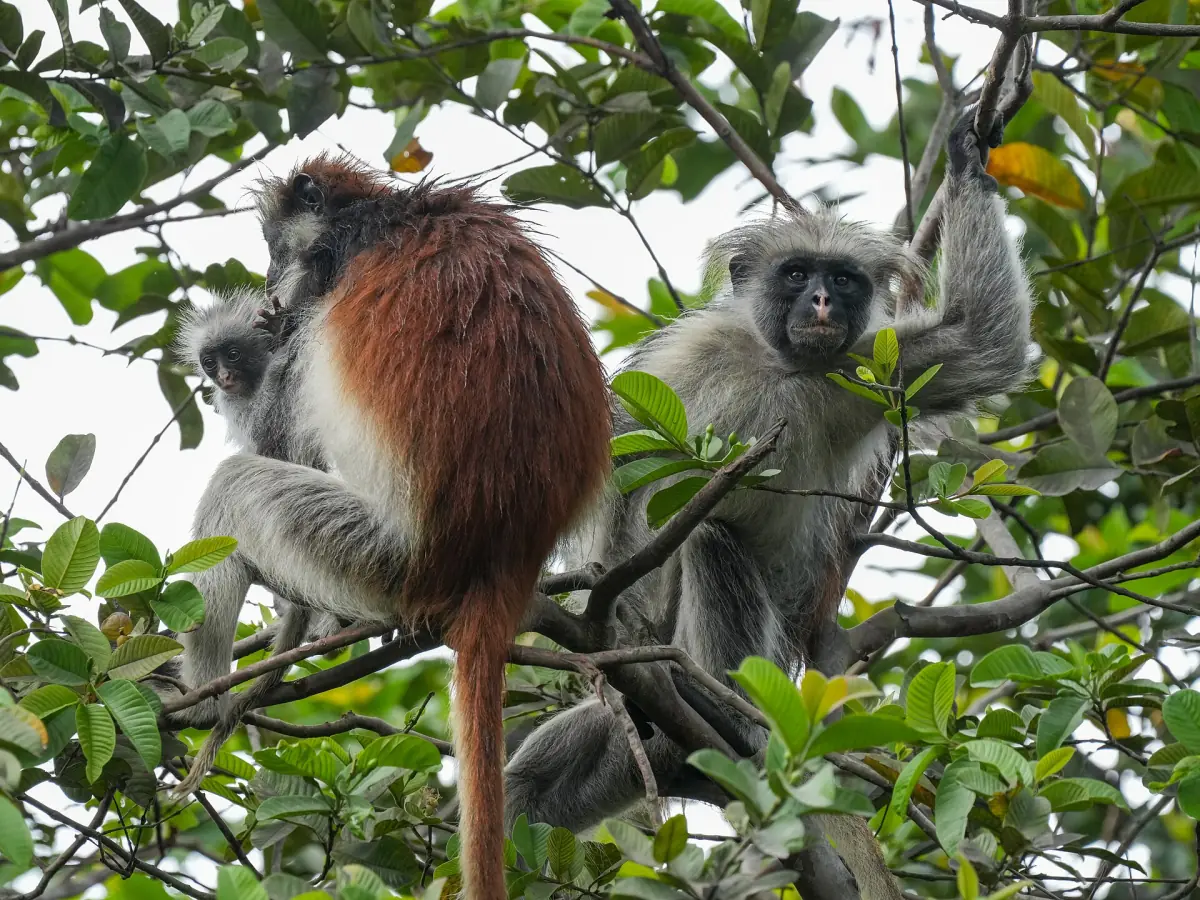
Jozani Forest and Salaam Cave turtles with lunch
- Two-hour guided Jozani walk
- Entry fees and lunch
- Groups of up to 20
A walk to see red colobus monkeys, followed by 30 minutes with turtles at Salaam Cave.
Check availability →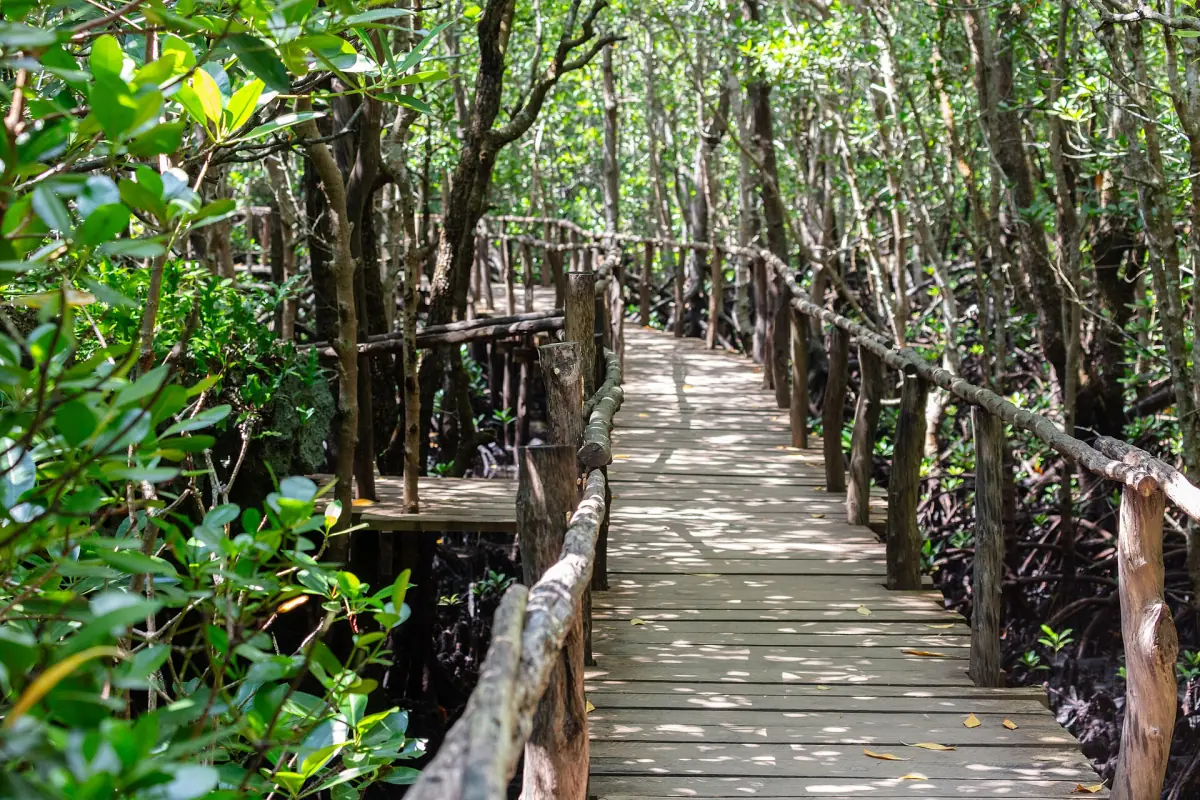
Private Jozani Forest and Salaam Cave trip
- Jozani and Salaam Cave entry
- Colobus viewing and mangrove boardwalk
- Private guide and transport
The turtle swim and seagrass feeding at Salaam Cave are part of the day. The price is per person.
Check availability →Jozani Forest tours
Guided visits to the forest and the red colobus monkeys, with live prices and availability.
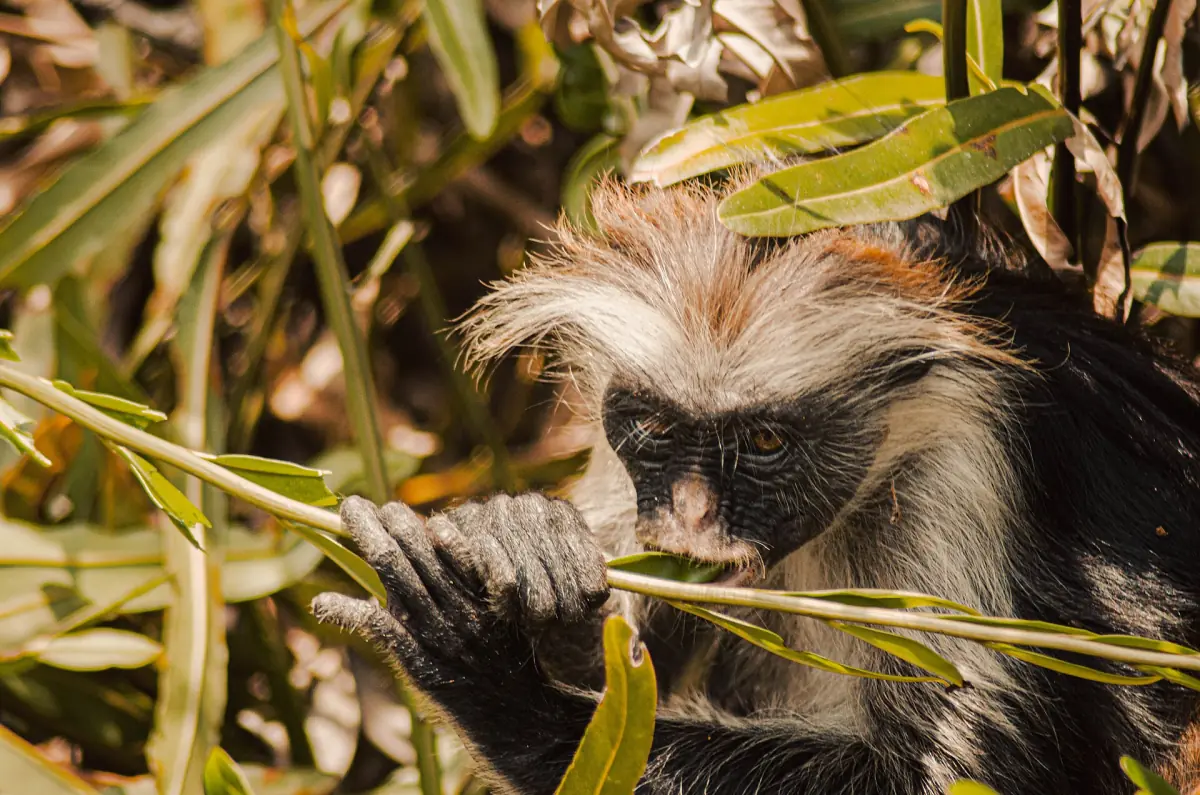
Red colobus monkey: the animal behind the visit
The Zanzibar red colobus (Piliocolobus kirkii) is found only on Unguja. The first complete count of the whole population, in 2017, found 5,862 animals. That is a figure from 2017, not a number for today, so treat it as a sense of scale and not as a current census.
Jozani is the best-known place to see them, but the monkeys also live in other forest patches on Unguja, from Kiwengwa-Pongwe to Mtende. They are not found only inside the park.
These are wild animals. They move through the canopy, rest and feed, and sightings differ from one visit to the next. Keep your distance, never touch them and never feed them. Food changes their behaviour and can make them sick.
Mangroves and the forest floor
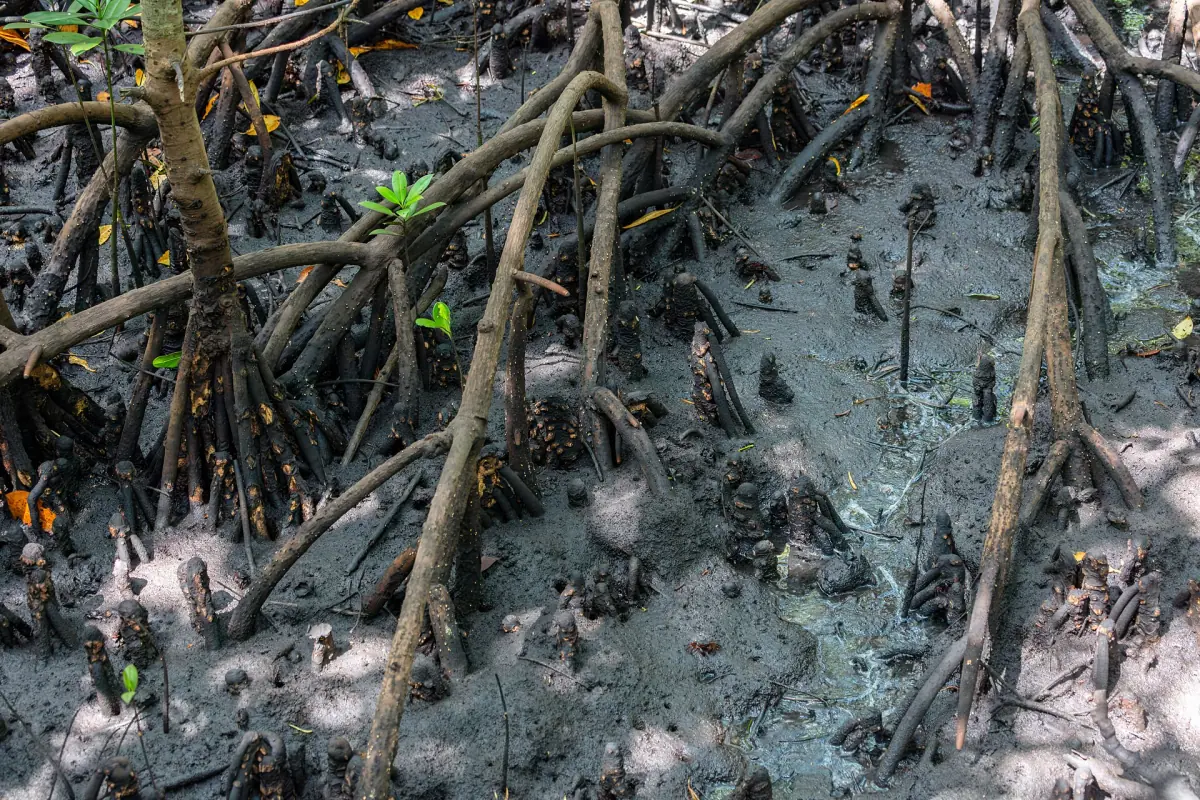
Mangroves are one of the ecosystems the park protects. Their stilt roots stand in dark mud, and a wooden boardwalk leads through mangrove forest at Jozani. Ask at the entrance whether the boardwalk is open to visitors on your day and whether it is part of your ticket.
Smaller animals live here too. A green slender chameleon holds on to a branch in the picture below, and other forest life shows itself to people who walk slowly and quietly. Nothing is guaranteed, but the quieter you are, the more you notice.

How to visit the forest well
Small habits that protect the animals and improve your visit.
Keep your distance
Colobus monkeys are used to people, but they are still wild. Stay back, do not reach out and do not try to get a monkey to come closer for a photo.
No food, no touching
Never feed or touch the animals. Keep snacks in your bag. Fed monkeys change their behaviour and can become a risk to themselves and to visitors.
Stay on the paths
Follow the marked paths and the boardwalk. Mangrove roots and forest floor are fragile, and the ground can be soft and uneven.
Go slowly and quietly
Loud voices and quick movements send animals into the canopy. A calm pace and a guide who knows where the groups feed give you the best chance of a good view.
Entry fee, tickets and opening hours
What to check before you go.
Opening hours
The park's hours are Monday to Friday, 08:00–17:00, which may be office hours rather than visitor hours. Confirm the visitor hours and whether the park is open at weekends before you plan a day around it.
Entry fee
Ask for the current fee for adults and children and what it covers. A guide and the boardwalk may or may not be part of the price, so ask before you pay. Fees can change from year to year.
Guided tour or your own trip
A tour usually bundles transport and a guide. If you go on your own, arrange transport and ask the park staff at the gate about guides. Check what is included on each tour card above.
Health and comfort
Malaria risk exists all year on Zanzibar and Pemba, so talk to a doctor before you travel and use mosquito protection in the forest. Bring water, sun protection and shoes you can walk in on soft ground.
Zanzibar safety and health →Combine Jozani with other places
Other stops on Unguja.
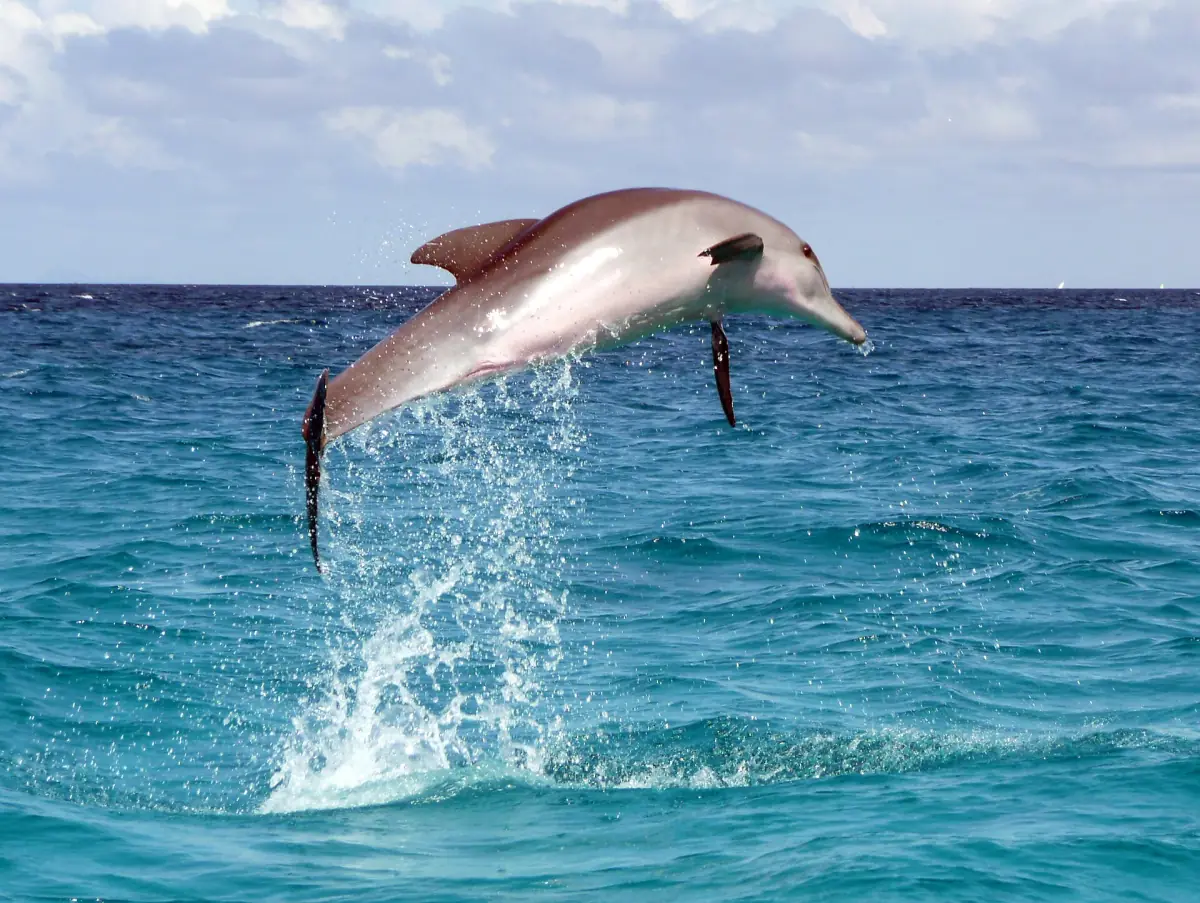
Kizimkazi dolphin trips
Boat trips, behaviour rules and the debate.
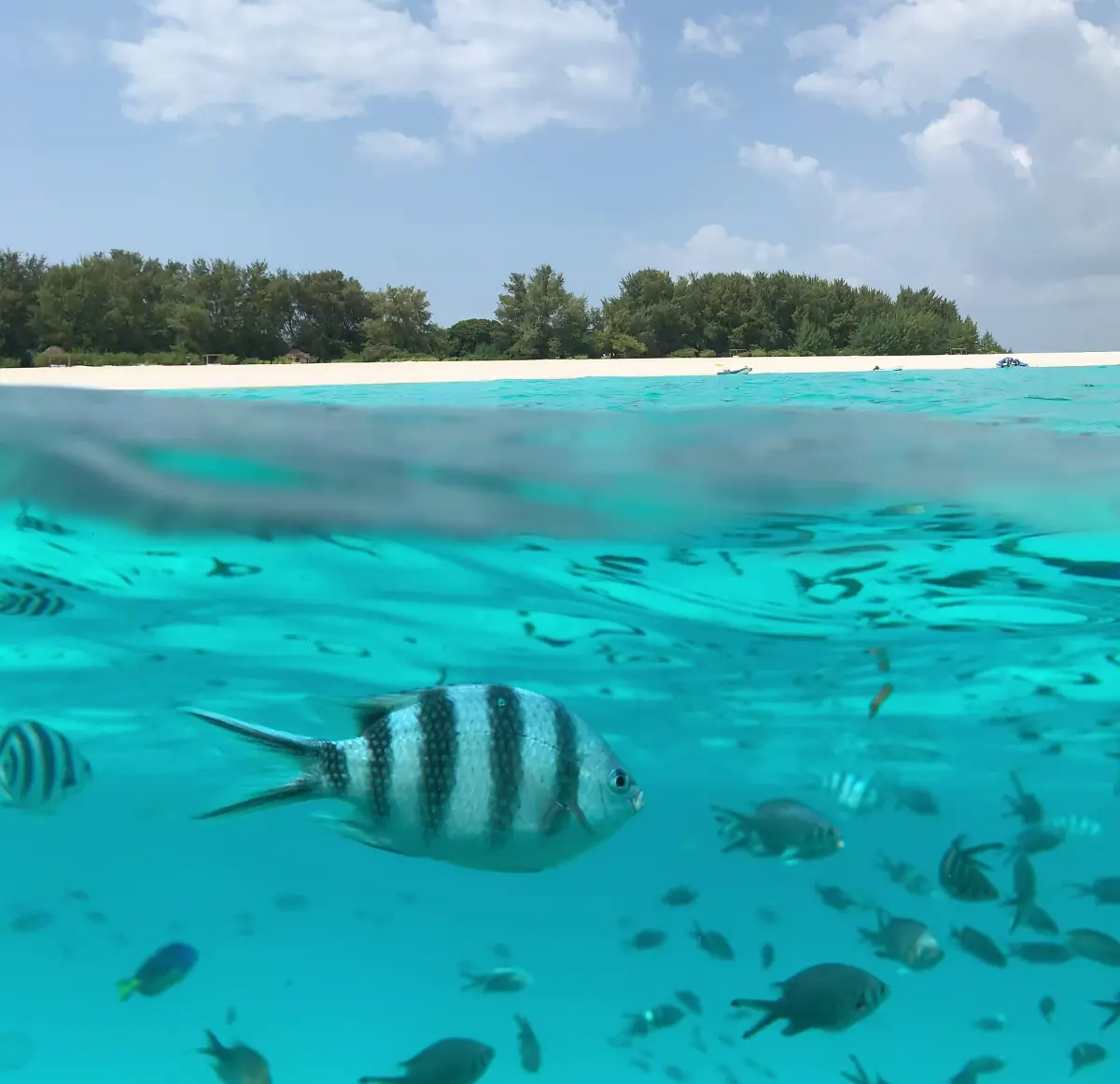
Mnemba Island
Snorkel trips to the reef around a private island.
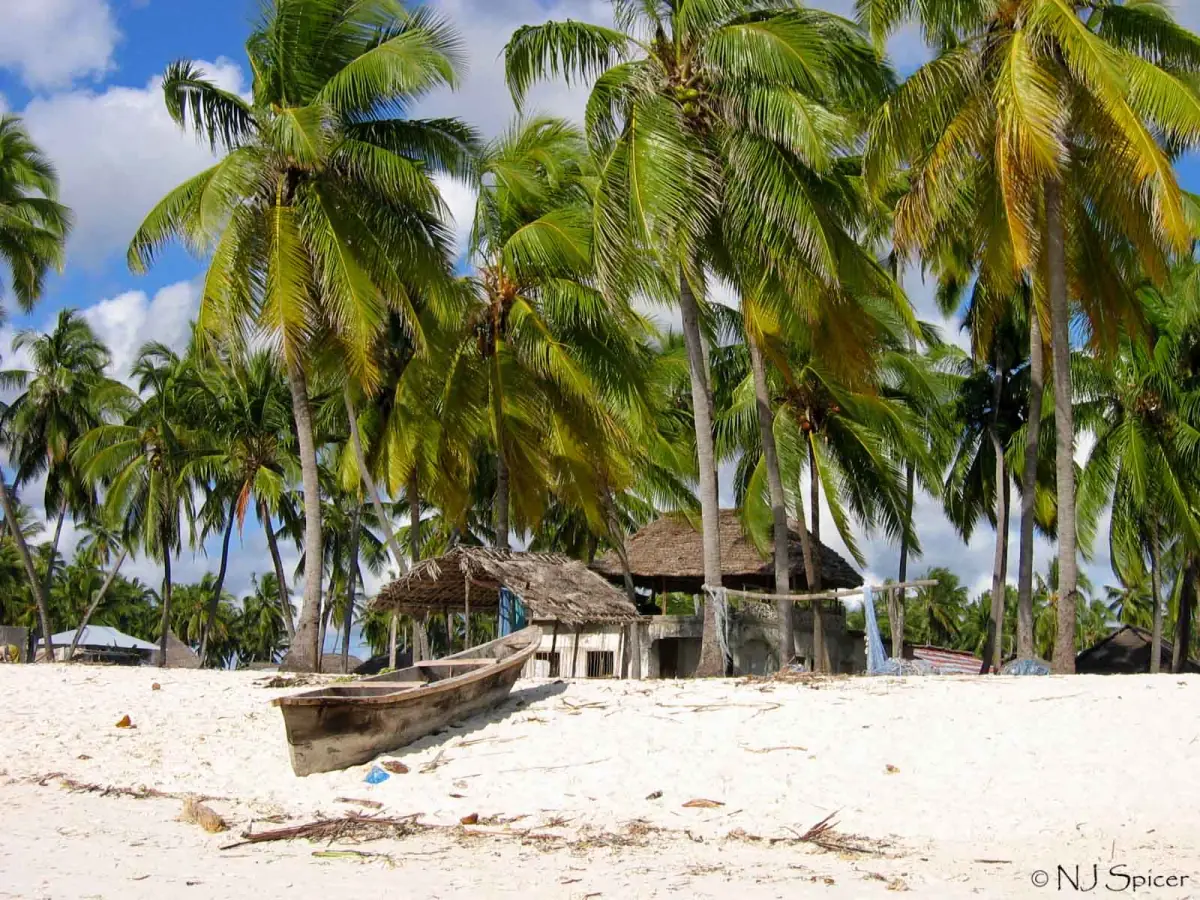
Things to do in Zanzibar
Islands, reefs, forest and food.
For the old town, markets and Prison Island, see things to do in Stone Town.
Jozani Forest: frequently asked questions
Will I see red colobus monkeys at Jozani?
Jozani is the best-known place to look for them, but they are wild animals and a sighting cannot be promised. Walk quietly, keep your distance and follow your guide.
How much is the Jozani Forest entry fee?
The fee depends on your age and the services you add, and it can change. Ask the park staff or your tour provider for the current amount and what it includes.
Is Jozani Forest open every day?
The park's hours are Monday to Friday, 08:00–17:00, which may be office hours. Confirm visitor hours, including weekends, before you go.
Can I touch or feed the monkeys?
No. Never touch or feed them. Keep a respectful distance and keep food out of sight.
Where else do red colobus monkeys live on Unguja?
In other forest patches on the island, from Kiwengwa-Pongwe to Mtende. They are not found only inside the park.